
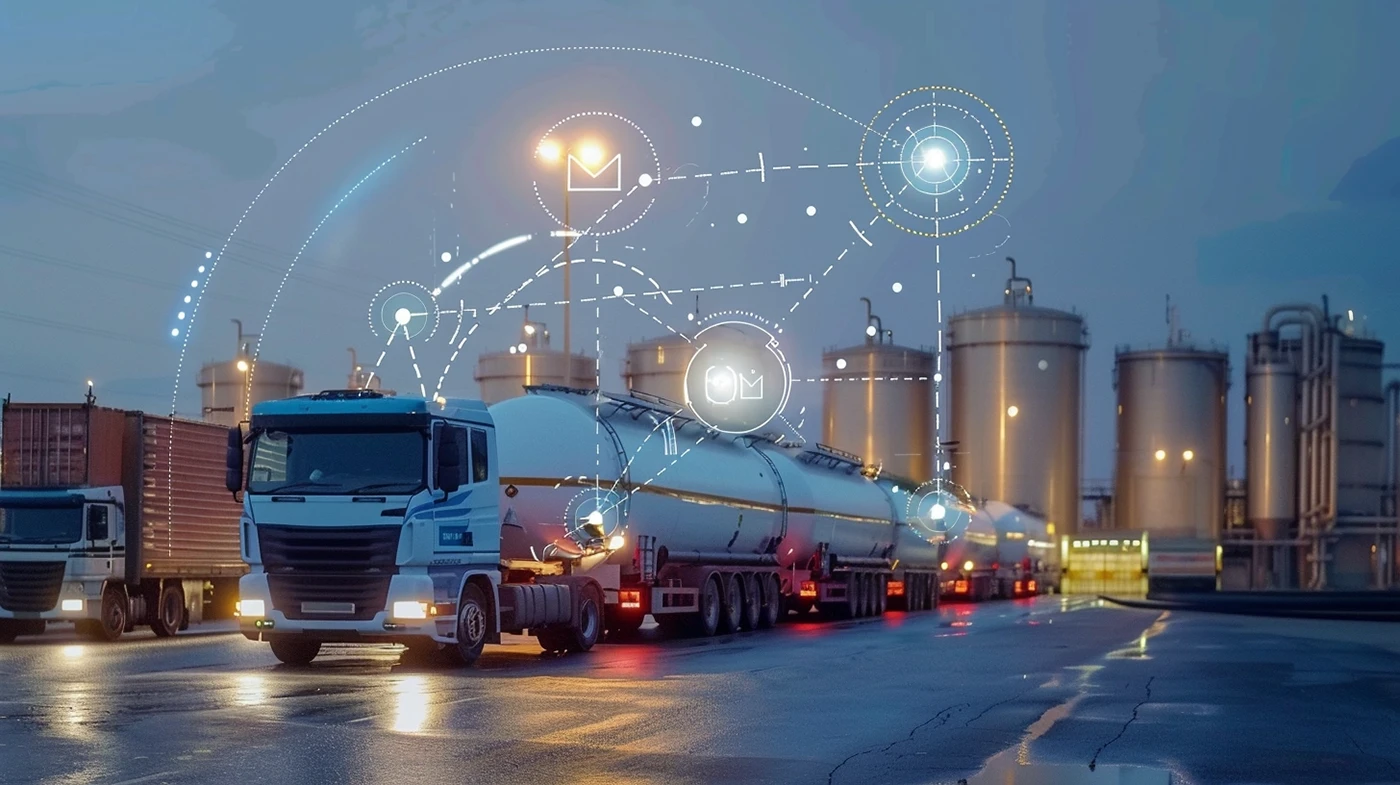
As the world faces constant demands for speed and accuracy, real-time tracking technology is becoming a key component shaping the logistics industry. This innovation, which allows companies to know the exact location and status of their shipment at all times, not only increases operational efficiency but also raises the level of service that companies can provide to their customers.
With the implementation of real-time tracking technology, logistics operations become more transparent, enabling better planning and management of the transportation chain. This is not just a matter of logistical efficiency; it is also a question of safety and reliability. In a world where fast delivery is expected, the ability to precisely track every step in the distribution process enables logistics companies to proactively manage their operations, minimize delays and respond effectively to potential obstacles.
One of the most significant aspects of real-time tracking technology is its ability to improve customer satisfaction. Transparency provided by technology, enabling clients to see the status and location of their shipment, building trust and security. This level of visibility is not only an advantage for clients; it also enables companies to optimize their processes, identifying areas for improvement and effectively managing their resources.
Real-time tracking technology enables better collaboration within the freight chain. By increasing the accuracy and reliability of information, companies and their logistics partners can better coordinate their operations, reducing redundancies and optimizing resource utilization. This not only reduces costs but also contributes to greater sustainability, reducing unnecessary consumption and emissions.
In an era increasingly reliant on speed, accuracy and reliability, investing in real-time tracking technology becomes not only a competitive advantage but a necessity. As the logistics industry continues to evolve, real-time tracking technology will be instrumental in shaping the future of more efficient, transparent and secure logistics operations, setting new standards in meeting customer expectations and managing the transportation chain.