
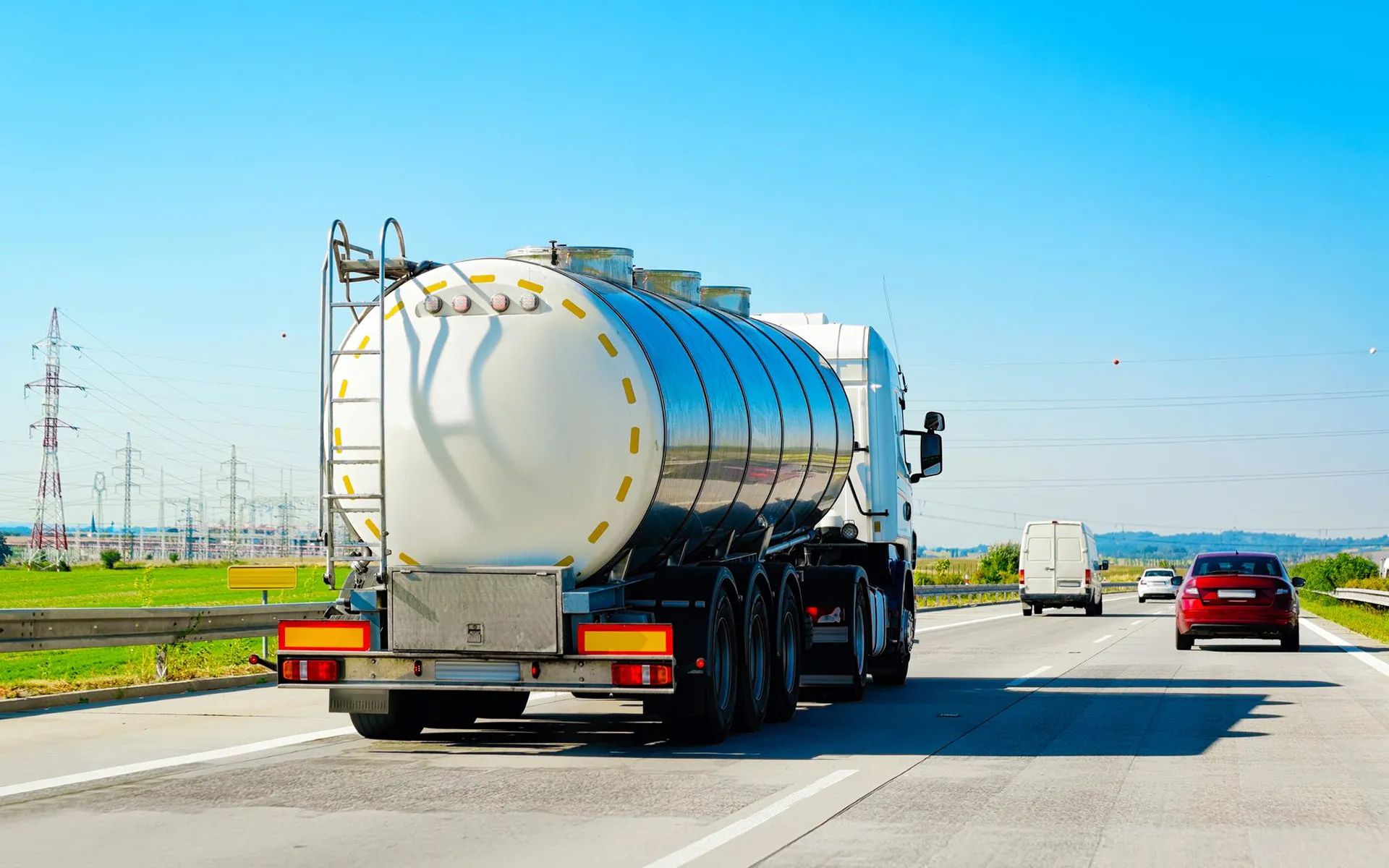
The importance of safety in the transport of butane gas
The transportation of butane gas is a key component of our energy infrastructure. However, due to its inherent physical properties, it also poses significant security risks. In this blog, we will explore the importance of safety in the transportation of butane gas, providing a comprehensive overview of this critical industry.
The volatile nature of butane
Butane, a hydrocarbon, is highly flammable and liquefies easily, making it a potential hazard if not handled properly. It is usually stored under pressure in liquid form, and when exposed to air, it expands rapidly, increasing the risk of explosion. Therefore, transporting butane requires utmost care and strict safety measures to prevent catastrophic accidents.
Safety regulations and procedures
Safety is the most important thing in butane transport. In the European Union, strict regulations are enforced by the European Agreement on the International Carriage of Dangerous Goods by Road (ADR) and the European Maritime Safety Agency. These regulations provide guidelines for storage, handling and transport, including the use of specially designed containers and containers, regular maintenance checks and mandatory safety training for workers.
Historical incidents and their impact
Despite strict regulations, accidents have occurred, which underscores the need for constant vigilance when transporting butane. One such incident was the 2009 train derailment in Viareggio, Italy, which resulted in a butane gas explosion, causing numerous casualties and extensive property damage. These incidents serve as stark reminders of the potential dangers and the critical importance of following safety protocols.
Transportation methods and their implications
Butane can be transported by pipelines, ships and trucks, each with its own advantages and disadvantages. Pipelines offer a cost-effective and relatively safe method for long-distance transportation. Ships can carry large quantities, but maritime accidents can have serious environmental impacts. Road transport offers flexibility in terms of delivery locations and schedules, and EU regulations ensure high safety standards for vehicles transporting dangerous goods. With proper risk management, road transport can be the safest and most efficient way to transport butane.
Conclusion
The safety of transporting butane gas is critical, given its volatile nature. Strict adherence to safety regulations, along with the proper method of transportation, can mitigate the associated risks. As we continue to rely on butane for our energy needs, the importance of safety in its transport cannot be overstated.