
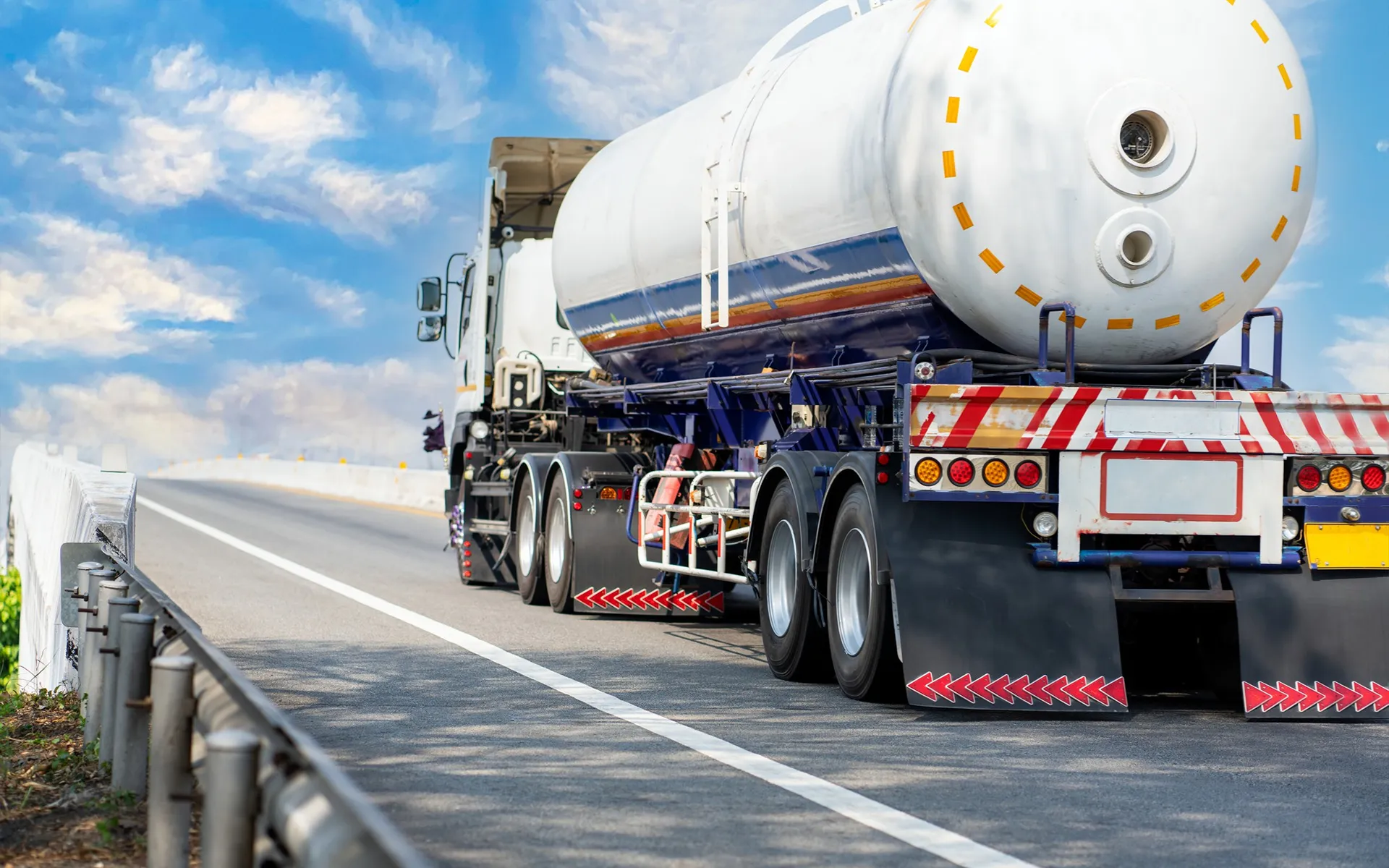
Transporting dangerous goods is a demanding task that involves numerous safety risks and regulatory hurdles. This blog post will delve into the complexities of this critical sector, focusing on the specific risks and requirements associated with the transportation of hazardous gases and liquids.
Nature of hazardous materials
Hazardous materials include a broad category of substances that pose a risk to health, safety or property during transport. This includes, among others, explosive, toxic, flammable and corrosive substances. Gases like butane and liquids like LNG fall into this category due to their volatile and potentially harmful nature.
Regulatory framework
In the EU, the transport of dangerous goods is regulated by ADR for road transport and RID for rail transport. These regulations provide a detailed framework for the classification, packaging, handling and documentation of hazardous substances. They also require companies to provide specialized training for staff and have a designated safety advisor.
Challenges and opportunities
Transporting hazardous materials comes with many challenges, including the need for specialized equipment, rigorous training and strict compliance. However, with the growing demand for energy and industrial chemicals, there are significant opportunities for companies that can effectively address these challenges.
Modes of transportation and their advantages
Hazardous materials can be transported by road, rail, sea or air, each with its own advantages and disadvantages. Road traffic stands out for its flexibility, the ability to access remote areas and the easier implementation of safety measures. In the EU, road transport is also well regulated, making it a reliable choice for the transport of dangerous goods.
Conclusion
Transporting dangerous goods is a complex task that requires rigorous safety measures and regulatory compliance. However, with the right approach and commitment to safety, it can be done effectively and responsibly. As we continue to rely on these materials for a variety of applications, understanding and overcoming the challenges of transporting them becomes increasingly important.